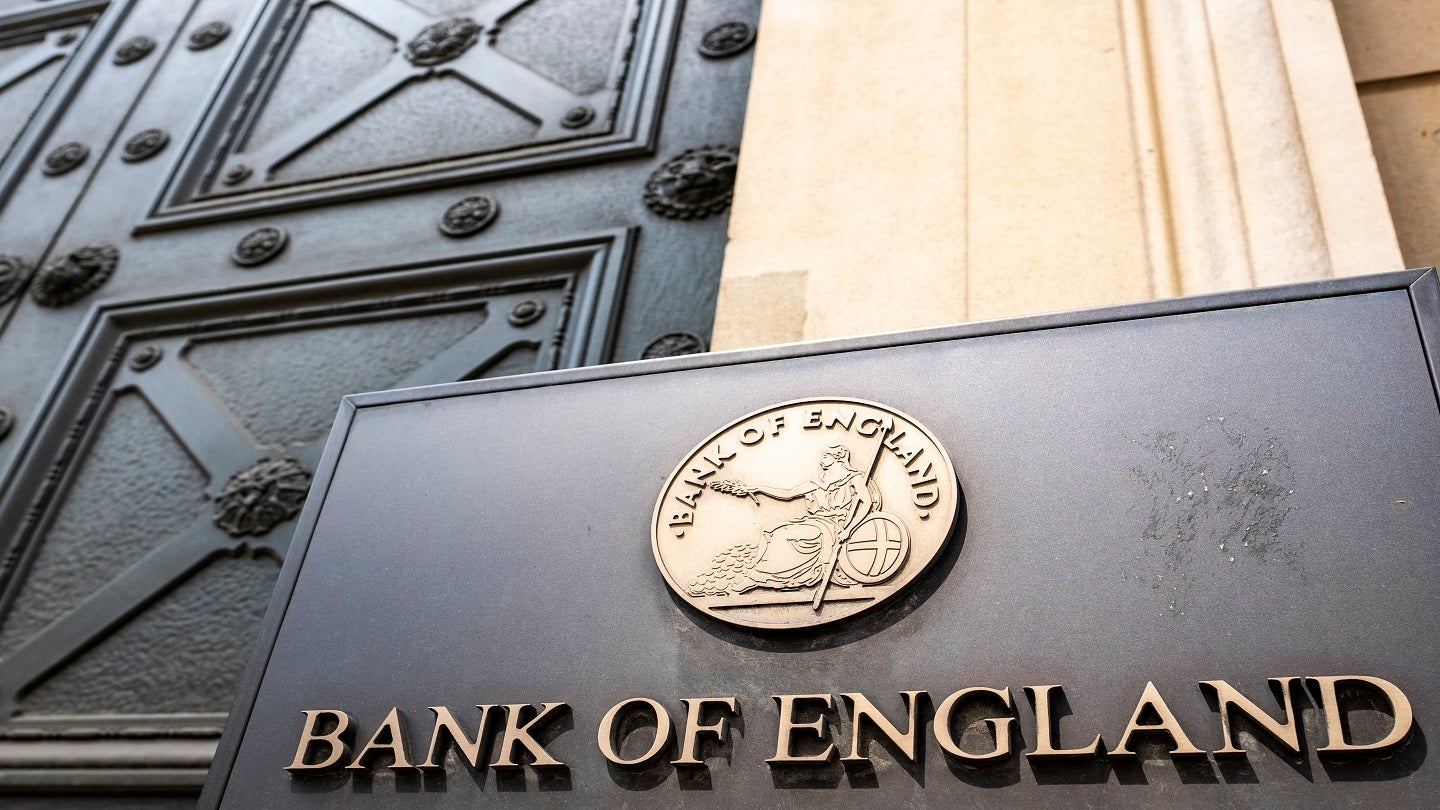
Accountancy and advisory group Azets has reacted to the Bank of England’s (BoE) decision to lower interest rates, saying the reduction makes sense.
The BoE has announced a decrease in the bank rate from 4.25% to 4%, the lowest rate in two years.
Go deeper with GlobalData


Access deeper industry intelligence
Experience unmatched clarity with a single platform that combines unique data, AI, and human expertise.
The decision, reached by the nine-member Monetary Policy Committee (MPC), comes against a backdrop of sluggish economic growth. The MPC voted by a majority of 5–4 to reduce the bank rate.
Azets debt advisory head Mark Barrie said: “Today’s reduction makes sense, given rising unemployment, the continuous fall in job vacancies, sticky inflation, spiralling national debt, a dire fiscal outlook and persistent cost pressures since April on business, including the increases in national insurance contributions and minimum wage.
“It was in in early 2023 that the Bank of England’s interest rate was previously at 4% – Flowers by Miley Cyrus was a break-up number one in the charts at the time. The economy is wilting and needs nourishment through cheaper borrowing.”
Fractional chief financial officers (CFOs) provider the CFO Centre Group has also reacted to the development.
US Tariffs are shifting - will you react or anticipate?
Don’t let policy changes catch you off guard. Stay proactive with real-time data and expert analysis.
By GlobalDataCFO Centre Group CFO Nevil Durrant said: “The BoE has a difficult path to navigate whilst headline inflation sat at 3.6% at the end of June, well above its target level of 2%, with inflationary pressures persisting within the economy.
“The BoE must balance this inflationary picture with the sluggish performance of the UK economy over the last 12 months, declining business confidence and recent downward revisions by economic analysts in the growth prospects for the UK.
“The reduction may, in the short term, encourage more businesses to borrow and invest, although those businesses will be looking at other macroeconomic factors and the degree of current uncertainty as bigger drivers in respect of any investment policies.”
The BoE aims to stimulate spending by reducing interest rates, although concerns about persistent inflation, which exceeds the 2% target, remain prevalent.
However, the adjustment is expected to effect borrowing costs for mortgages and loans, the BBC reported.
Rising food prices in particular have raised alarms regarding potential further inflationary pressures in the near future.
BoE governor Andrew Bailey has expressed the view that the current inflation spikes may be temporary, suggesting a general downward trajectory for interest rates.
However, he also recognised the significant uncertainty surrounding the UK economy, describing the rate cut decision as “finely balanced”.
The government, including Chancellor Rachel Reeves, has expressed support for the rate reduction, indicating that their policies have played a role in fostering economic stability.